
Portable power stations have become a go-to solution for backup power, outdoor adventures, and mobile work setups. One of the most common questions users ask is how long a portable power station can actually run their devices. The answer isn’t a single number, because it depends on several technical and usage factors. By understanding what affects runtime, you can better estimate performance and choose a power station that meets your real-world needs.
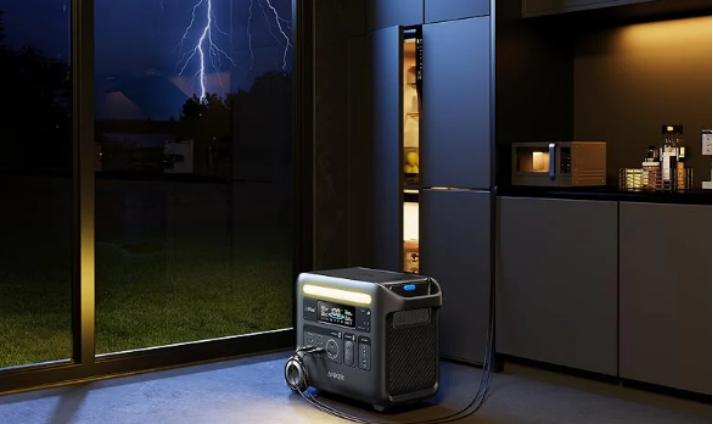
What Determines the Runtime of a Portable Power Station?
The runtime of a portable power station is influenced by a combination of battery capacity, power demand, and charging conditions. Looking at these elements together provides a clearer picture of what to expect.
Battery Capacity Sets the Foundation
Battery capacity, usually measured in watt-hours (Wh) or kilowatt-hours (kWh), is the starting point for estimating runtime. A higher-capacity battery can store more energy and therefore run devices longer. For example, a 1000Wh portable power station can theoretically deliver 1000 watts for one hour or 100 watts for ten hours, assuming ideal efficiency. Many Anker SOLIX portable power stations offer a range of capacities, allowing users to choose models that align with their expected usage.
Power Consumption of Connected Devices
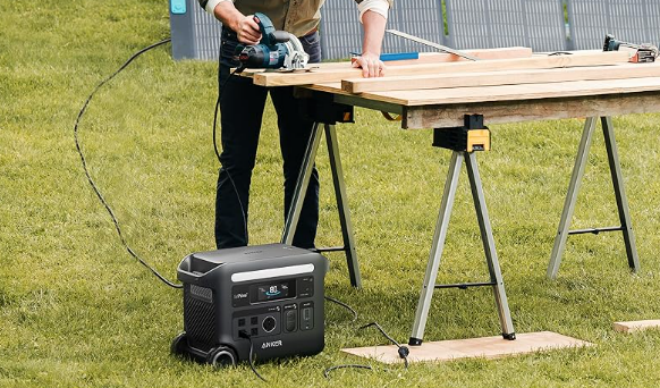
The devices you connect play the biggest role in determining runtime. Small electronics like phones, tablets, and LED lights consume very little power, while appliances such as refrigerators, power tools, or coffee makers draw significantly more. Understanding the wattage or current draw of your devices, sometimes expressed in amps units, helps you estimate how quickly the battery will be depleted. Running fewer or more efficient devices can dramatically extend runtime.
Continuous Output and Efficiency Losses
Not all stored energy is delivered perfectly to your devices. Power stations use inverters to convert stored DC energy into usable AC power, and this process involves efficiency losses. High-quality inverters with pure sine wave output waste less energy and provide more usable runtime. This is especially important for sensitive electronics and appliances that require stable power.
Surge Power and Startup Loads
Some appliances require extra power to start, even if their normal running wattage is lower. Refrigerators and pumps are common examples. If a device frequently cycles on and off, those startup surges can reduce overall runtime. Choosing a power station with sufficient surge capacity prevents overloads and ensures smoother operation.
Battery Chemistry and Discharge Behavior
Battery type also affects runtime consistency. Lithium iron phosphate (LFP) batteries, used in many Anker SOLIX models, maintain stable performance over a wide range of charge levels. This means the power station delivers consistent output until the battery is nearly depleted, rather than dropping off sharply near the end.
Recharging During Use Extends Runtime
One advantage of portable power stations is the ability to recharge while in use. When connected to solar panels, vehicle charging, or AC input, the battery can be replenished as energy is consumed. With sufficient solar input, runtime can be extended significantly, sometimes allowing essential devices to run indefinitely during daylight hours.
Environmental and Operating Conditions
Temperature and placement can also influence runtime. Extremely cold or hot environments may reduce battery efficiency. Operating the power station in a well-ventilated, moderate-temperature space helps maintain optimal performance and ensures energy is used effectively.
Smart Energy Management and Monitoring
Many modern power stations include app-based monitoring that shows real-time power draw, remaining capacity, and estimated runtime. Tracking usage makes it easier to adjust loads and avoid unnecessary drain. Understanding current flow, often shown in amps units on monitoring displays, helps users fine-tune how devices are powered.
Conclusion
The runtime of a portable power station depends on battery capacity, device power demand, efficiency, and recharging options. Small electronics may run for days, while high-wattage appliances may drain a battery in hours. By choosing the right capacity, managing loads wisely, and taking advantage of solar or AC recharging, users can maximize performance. With reliable designs like Anker SOLIX portable power stations, it’s easier to predict runtime accurately and enjoy dependable power wherever it’s needed.