
Solar energy makes off-grid living more practical than ever for everyday travelers and outdoor enthusiasts. Portable solar panels allow people to produce electricity almost anywhere sunlight is available, whether at a campsite, roadside stop, or during a home power outage. Unlike fuel generators, solar systems operate quietly and without fumes, which makes them safer and more comfortable for shared spaces. Modern designs are lightweight, foldable, and easy to connect, so they fit naturally into weekend trips as well as longer journeys. Clear knowledge of the basics also makes it easier to power essential devices reliably when traditional outlets are unavailable, in this article, practical guidance explains each step.
1. Capture Sunlight and Convert It to Electricity
Solar Cells Generate Direct Current (DC) Power
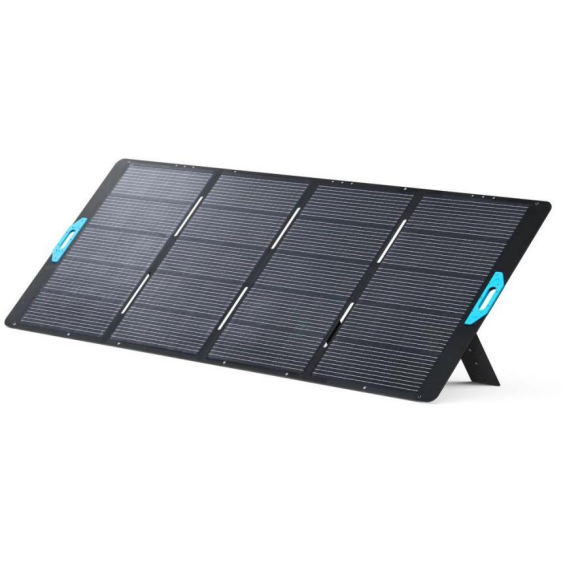
Solar panels work by using photovoltaic cells to turn sunlight into electricity. When sunlight hits these cells, it excites electrons and creates a flow of electrical current. This electricity is produced as direct current, commonly called DC power. DC power is suitable for charging batteries and small electronics that use USB or low-voltage inputs. The amount of electricity generated depends on sunlight intensity, panel angle, and surface cleanliness. Even on partly cloudy days, panels can still produce usable energy, though at a reduced level.
Charge Controllers Regulate Power Flow to Batteries
Electricity from panels does not go directly into devices without control. A charge controller sits between the solar panel and the battery or power station. Its job is to regulate voltage and current so batteries are not overcharged or damaged. This protection extends battery life and improves overall system safety. Many modern portable power stations have built-in controllers, simplifying setup for beginners. Proper regulation ensures that energy collected during the day is stored efficiently for later use.
2. Store Energy for Use Anytime
Connect Panels to a Portable Power Station
Portable power stations act as the central hub of an off-grid energy system. Solar panels plug into these units, which then store the electricity in internal batteries. This setup allows energy collected during sunny hours to be used at night or indoors. Most units include multiple output options such as AC outlets, USB ports, and DC car ports. Clear display screens often show charging speed and battery level, helping users manage power use. Simple plug-and-play connections make the system approachable even for first-time campers.
Store Solar Energy in Batteries for Night and Cloudy Days
Battery storage is what makes solar power practical beyond daylight hours. Energy collected during peak sun can run lights, charge phones, or power small appliances later in the evening. This stored power is especially useful during cloudy weather when panels produce less electricity. Lithium batteries, commonly used in portable stations, are lightweight and recharge efficiently. Good energy management involves charging whenever sunlight is available, even if the battery is not fully empty. Consistent charging habits help ensure a steady power supply throughout a trip.
3. Power Your Essential Devices and Gear
Run Lights, Phones, and Small Appliances
Solar setups are ideal for powering everyday essentials while off the grid. LED lights, smartphones, tablets, and laptops typically require modest amounts of electricity. With proper battery capacity, even small appliances like mini coolers or fans can run for hours. Energy-efficient devices extend runtime and reduce the need for oversized equipment. Checking wattage labels before a trip helps avoid overloading the system. Smart usage habits, such as turning devices off when not needed, make stored energy last longer.
Keep Cameras, Drones, and Navigation Equipment Charged
Outdoor adventures often rely on electronic gear for navigation and documentation. Cameras, drones, GPS units, and headlamps all need dependable charging options. Solar power stations provide stable energy that protects sensitive electronics. Keeping these devices charged enhances safety as well as convenience. Extra batteries can be rotated through charging cycles during sunny periods. Reliable power access ensures important equipment remains ready when it matters most.
4. Choose the Right Solar Setup for Your Trip
Pick Foldable Panels for Backpacking and Hiking
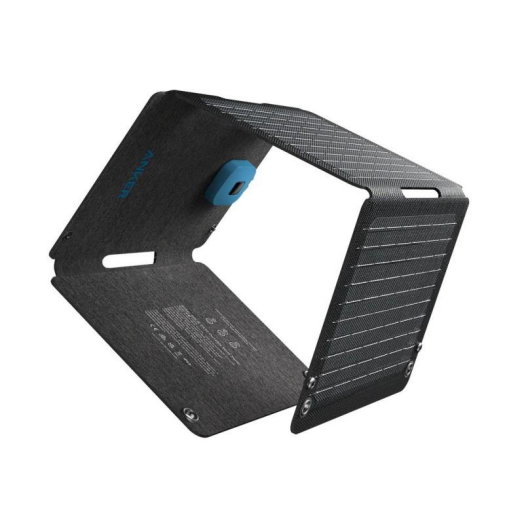
Foldable solar panels are designed for mobility and limited storage space. Their lightweight frames and compact folding patterns make them easy to attach to backpacks or lay out at rest stops. High-efficiency portable options, such as Anker SOLIX camping solar panels, are built to handle outdoor conditions while still remaining easy to carry. These panels balance durability with strong energy conversion, making them practical for charging small power stations during multi-day hikes. Flexible placement allows them to capture sunlight during breaks without slowing travel. Choosing panels that match the power station’s input range ensures faster and more stable charging in remote areas.
Use Larger Rigid Panels for RVs and Base Camps
Rigid solar panels are better suited for vehicles and long-term camps. Their sturdy frames allow for semi-permanent mounting on RV roofs or support stands. Larger surface areas collect more sunlight, which means faster charging and higher daily energy production. These panels are heavier and less portable, but they deliver consistent performance in fixed setups. Travelers staying in one place for several days benefit most from this approach. Stable mounting also reduces the need for constant repositioning throughout the day.
5. Maximize Efficiency on the Go
Position Panels Toward the Sun and Avoid Shade
Panel placement directly affects how much energy is produced. Facing panels toward the sun at a slight angle improves exposure and output. Even small shadows from trees or gear can reduce performance significantly. Adjusting panel direction a few times a day keeps charging levels higher. Morning and late afternoon repositioning can make a noticeable difference. Simple awareness of surroundings helps capture the most sunlight possible.
Clean Panels and Check Connections Regularly
Dust, dirt, and water spots can block sunlight from reaching solar cells. Wiping panels gently with a soft cloth keeps surfaces clear and efficient. Loose or damaged cables may interrupt charging or slow energy transfer. Regular inspection ensures connections remain secure and corrosion-free. Preventive care reduces unexpected power loss during important moments. Well-maintained equipment performs more reliably over many trips.
Conclusion
Portable solar panels transform sunlight into a dependable energy source for travel, recreation, and emergency preparedness. By understanding how panels generate power, how batteries store it, and how devices use it, off-grid electricity becomes far less complicated. Matching panel type and size to the trip style improves both comfort and efficiency. Simple habits like proper positioning and routine cleaning make a noticeable difference in daily performance. With thoughtful planning, solar energy supports modern conveniences almost anywhere. Reliable off-grid power ultimately allows more freedom while staying connected and prepared.